

We write about what we notice. Structure, friction, format, and why small things matter more than they should.
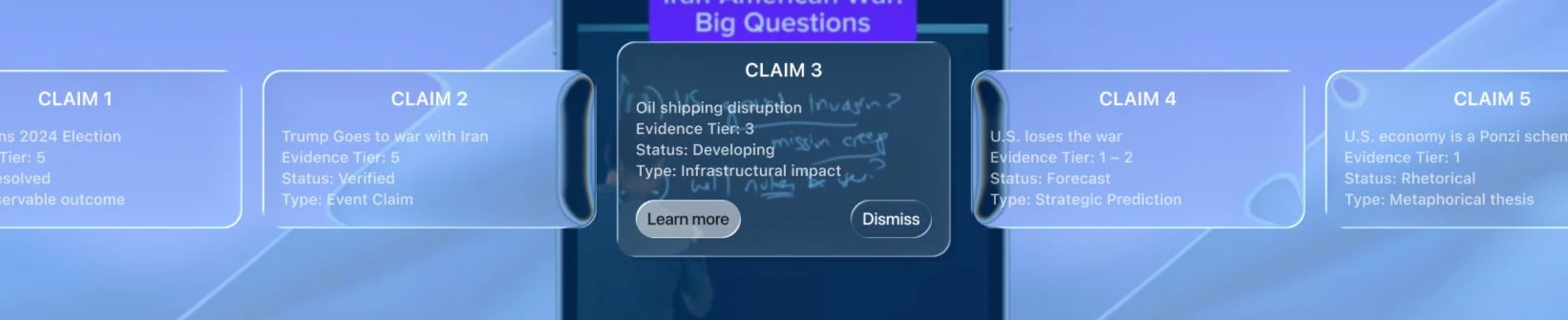
Part 2: Making Structure Machine-Readable
We keep blaming user error for what is shared online. But what if the real issue isn’t user error at all? What if it’s the structure that allows it to spread like wildfire? Claims, opinions, verified reporting, and speculation all move through the same frictionless feed we call social media. When everything is presented the same way, how are we to discern fact from fiction?
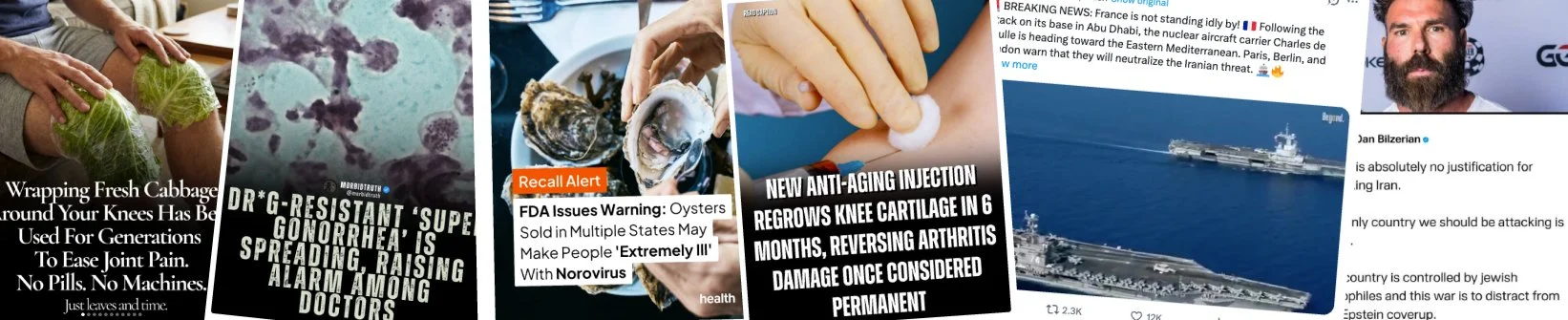
The Social Media Crisis Is Not About Facts. It’s About Format.
We keep arguing about facts online. But what if the real issue isn’t the facts at all? What if it’s the way everything is formatted the same? Opinions, research, personal stories, bold claims — they all look identical in the feed. When everything looks equally authoritative, it starts to feel that way.
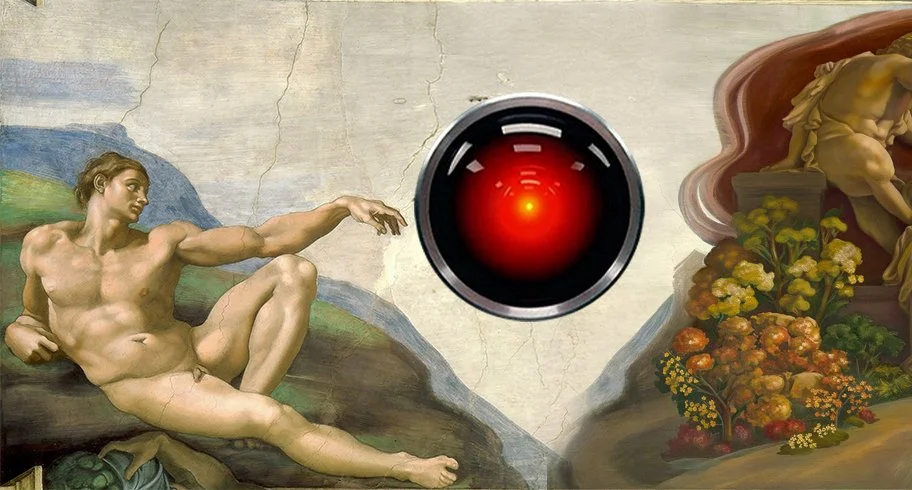
AI Logos Aren’t the Problem — The Symbols Behind Them Are
We’ve mistaken AI logos for harmless design trends.
When artificial intelligence is repeatedly symbolized as glowing brains, neural networks, or sentient light, branding begins to shape public understanding. Over time, AI symbolism does not just decorate technology. It influences how we interpret its capabilities.
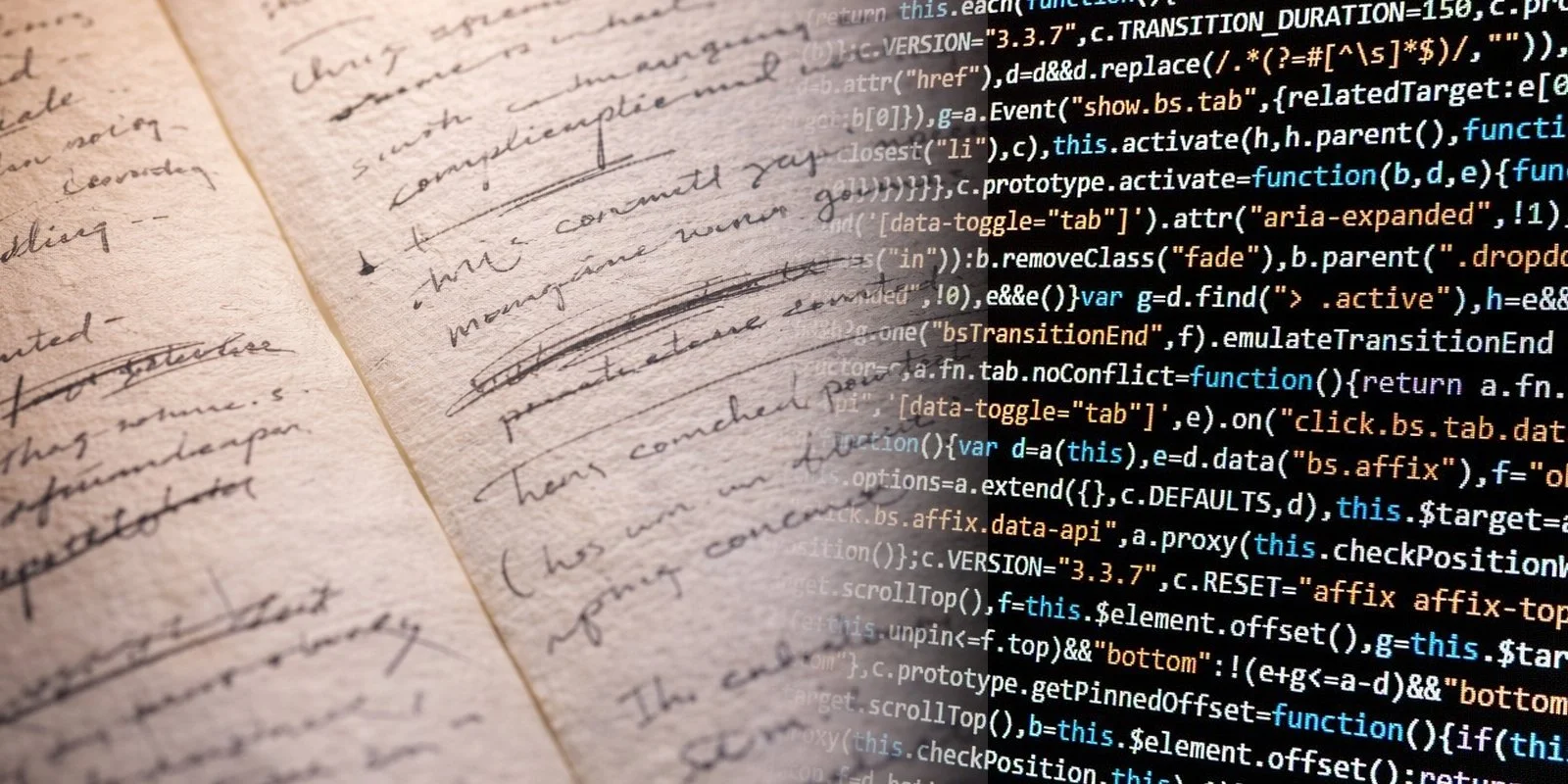
Friction and the Discipline of Thinking
We’ve mistaken smoothness for safety.
When friction disappears, responsibility shifts to the user — often without the training to carry it. Over time, we don’t lose intelligence. We simply exercise discernment less often.

The Case for Reviving Craftsmanship in the AI Era
AI isn’t killing creativity. It’s showing us what creativity actually is: the difference between ideas and systems, images and assets, vision and craft. This essay makes the case for bringing back the prestige of digital craftsmanship.